
Commonly Ask Questions About Dry Ice Blast Cleaning Michigan
Commonly Ask Questions About Dry Ice Blast Cleaning Michigan
Is Dry Ice Blast Cleaning Michigan Safe To Be Performed Indoors?
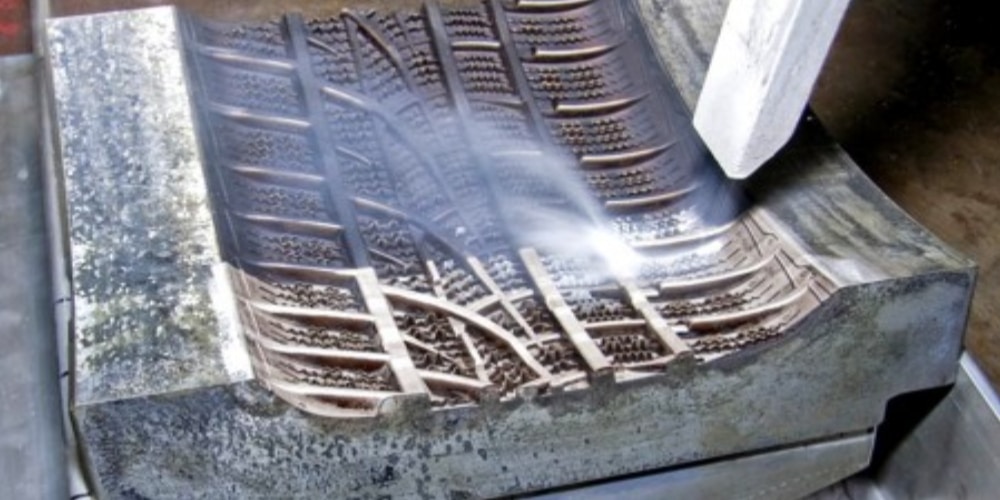
Absolutely. Dry ice blast cleaning in Michigan is widely recognized as a safe and highly effective method for indoor cleaning across industrial, commercial, and select residential environments. It is frequently used in applications such as mold remediation, fire restoration, manufacturing equipment cleaning, and facility maintenance. Because the process is dry, non-toxic, and non-abrasive, it is particularly well-suited for interior spaces where moisture, chemicals, or abrasive media would create additional risks or cleanup challenges.
Dry ice blasting uses solid CO₂ pellets as the cleaning media. These pellets are non-toxic and non-abrasive, and when they make contact with a surface, they immediately sublimate transforming from solid to gas. As the dry ice reaches room temperature, it evaporates completely, leaving behind no residue. The CO₂ released during sublimation dissipates naturally into the atmosphere. When performed by trained professionals in properly ventilated spaces, the process is safe for both cleaning technicians and facility personnel.
Because dry ice pellets disappear upon impact, there is no leftover blasting media to collect. There is also minimal risk to surrounding structures. The process does not rely on water or harsh chemical solvents, making it one of the cleanest and most contained industrial cleaning solutions available today.
What Happens to Oil, Dirt, and Grease During the Cleaning Process?
During dry ice blasting Michigan, loosened dirt and dry debris typically fall to the floor where they can be easily swept or vacuumed for proper disposal. The process breaks the bond between contaminants and the surface without grinding or spreading the material. Unlike pressure washing or chemical cleaning, there is no slurry, wastewater runoff, or chemical residue to manage.
For areas heavily saturated with oil or grease, surfaces are often prepared in advance. Excess liquids may be wiped up or contained before blasting begins. In some cases, absorbent materials are applied beforehand to improve efficiency. Once blasting starts, grease and oils are dislodged and directed toward controlled collection areas for easy removal.
This approach allows facilities to maintain a cleaner job site throughout the project. Instead of pushing contaminants into drains or surrounding surfaces, dry ice blasting isolates buildup and makes disposal straightforward and manageable.
What Happens to the Debris Afterward?
After cleaning is complete, all removed debris can be handled according to your facility’s procedures and local regulations. Because the dry ice itself evaporates, the only material remaining is the original contaminant. This significantly reduces the amount of waste compared to other media blasting or chemical cleaning methods.
Depending on the type of material removed, debris can often be disposed of on-site or properly contained and transported off-site. The simplified waste stream helps facilities stay compliant with environmental guidelines while minimizing disposal costs.
Requirements for an Efficient Michigan Dry Ice Blast Cleaning Team
Professional dry ice blasting requires high-volume compressed air to propel the CO₂ pellets effectively. For this reason, most reputable Michigan dry ice blasting contractors provide their own industrial-grade air compressors and equipment. This ensures consistent performance and avoids overloading a facility’s internal systems.
Proper moisture management is also critical. Compressed air systems can accumulate condensation, so professional equipment includes moisture separation systems to protect the blasting unit and maintain pellet integrity. Additionally, maintaining appropriate air temperature levels helps preserve the internal components of the dry ice blasting system and ensures optimal operation.
Experienced crews evaluate ventilation, workspace conditions, and safety protocols before beginning work. While dry ice blasting does not typically require full-face respirators under normal ventilation conditions, safety assessments are always conducted to ensure a secure environment for everyone involved.
Additional Benefits of Indoor Dry Ice Blast Cleaning
Ice blasting Michigan offers numerous advantages that make it one of the most sought-after industrial cleaning solutions in Michigan:
- No Grit, Water, or Chemicals – The process eliminates the need for abrasive media or liquid cleaners. This means no corrosion risks, no water damage, and no chemical exposure concerns.
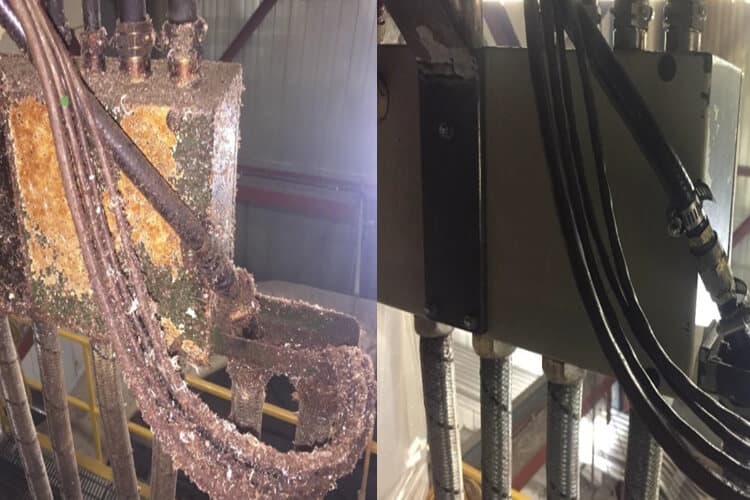
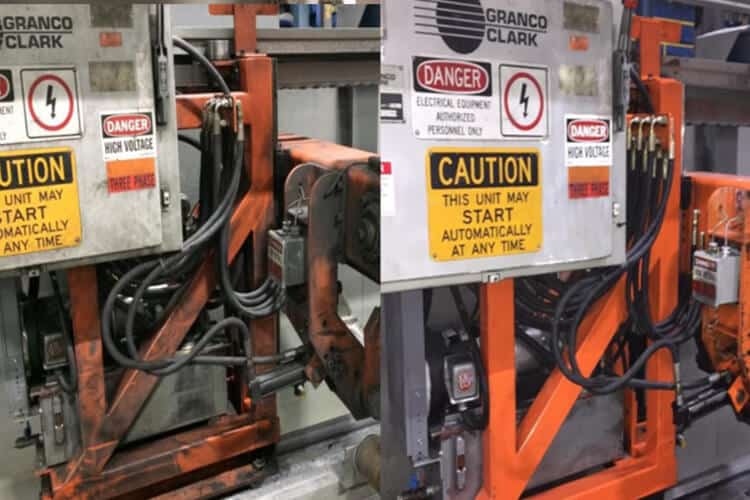
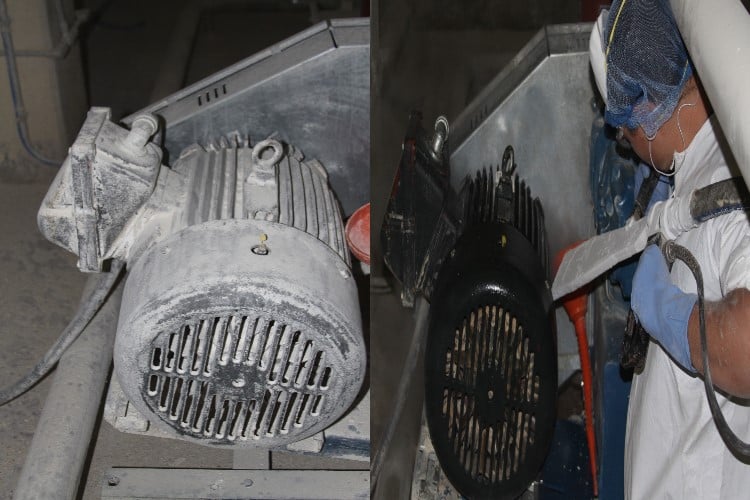
- Safe Around Electrical Systems – Dry ice blasting is non-conductive and non-flammable, making it safe for cleaning around wiring, control panels, motors, and sensitive electronics when performed correctly.
- Reduced Downtime and Production Loss – Many machines can be cleaned in place and even while still warm. Minimal disassembly is required, allowing operations to resume quickly.
- Environmentally Responsible – The CO₂ used in dry ice blasting is typically captured as a byproduct of other industrial processes, meaning no new greenhouse gases are created for cleaning purposes. The process produces no secondary waste streams such as contaminated water or spent grit.
- Preserves Equipment Integrity – Because it is non-abrasive, dry ice blasting does not etch or wear down surfaces. Sensitive machinery, molds, and precision components remain intact and undamaged.
- Cost Savings Over Time – By extending equipment life, reducing maintenance downtime, eliminating chemical purchases, and lowering disposal costs, dry ice blasting often delivers significant long-term savings.
Addressing Common Indoor Safety Concerns
Some facility managers question whether the extreme cold of dry ice could damage metal surfaces. In practice, the rapid temperature change primarily affects the contaminant layer rather than the substrate. The underlying material remains stable and free from structural stress.
Others worry about indoor air quality during blasting. When proper ventilation is in place and trained technicians follow established safety protocols, CO₂ levels remain within safe limits. Professional contractors monitor conditions carefully to ensure compliance with safety standards.
Conclusion on Dry Ice Blast Cleaning Michigan
Dry ice blast cleaning in Michigan is not only safe for indoor use it is often the superior choice for facilities that require a clean, controlled, and environmentally responsible solution. By eliminating water, chemicals, and abrasive media, this method protects equipment, reduces downtime, simplifies disposal, and supports regulatory compliance.
If your facility is looking to reduce overall cleaning time and return to production faster, dry ice blasting may be the ideal solution. Strength H2O is a leading provider of dry ice blasting services in Michigan, delivering reliable results backed by experience and advanced technology. Contact us today for a free, no-obligation quote and discover how dry ice blast cleaning can improve the safety, efficiency, and performance of your operation.