Four Issues Caused From Michigan High Surface Dust
Four Issues Caused From Michigan High Surface Dust
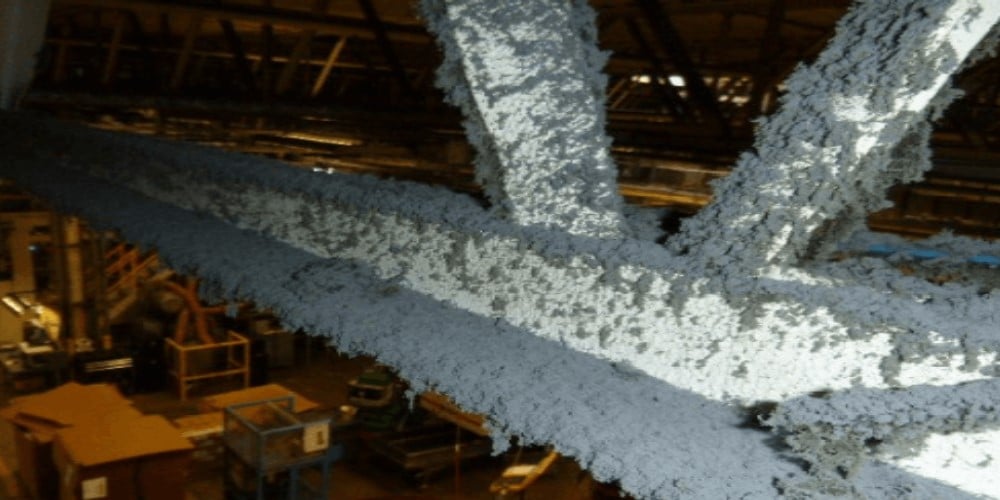
When walking through a busy industrial plant in Michigan, it’s easy to scan the production floor at eye level and assume the facility is clean and well maintained. Floors may be swept, equipment may shine, and walkways may appear orderly. However, what’s happening overhead often tells a very different story. High ceilings, rafters, beams, ductwork, and lighting fixtures are frequently excluded from routine industrial cleaning programs. Over time, these elevated surfaces quietly accumulate layers of dust, debris, grease, and other contaminants that pose serious operational and safety risks from Michigan High Surface Dust.
Because these areas are out of sight and difficult to access, they are often out of mind. Unfortunately, neglecting high surface cleaning can lead to mechanical failures, product contamination, employee health issues, and even catastrophic combustible dust explosions. What may appear harmless while resting above your facility can quickly become a costly and dangerous liability.
The Real Risks of High Surface Dust Accumulation
Dust does not simply disappear. It travels through the air and eventually settles on elevated surfaces throughout the facility. With daily operations, vibrations from machinery, forklift traffic, and air movement from ventilation systems, that dust continues to build up.
Below are the most common and costly consequences of neglecting high surface cleaning.
Reduced HVAC Efficiency and Higher Energy Costs
Large clumps of dust can become dislodged and drawn directly into your ventilation system. Once inside, debris clogs filters, coats duct interiors, and forces the HVAC system to work harder to maintain airflow and temperature consistency. This added strain reduces system efficiency, increases maintenance frequency, and drives up energy expenses.
Over time, dust-restricted airflow can create uneven temperatures, negatively impacting both worker comfort and sensitive manufacturing processes. A clean ceiling space supports a healthier, more efficient ventilation system.
Product Contamination and Quality Control Failures
One of the most significant risks associated with overhead dust is falling contamination. Vibrations, air currents, or routine operational movement can cause built-up dust to drop into active production zones below. When this occurs, the results can include:
- Compromised product integrity
- Increased rejection rates
- Customer complaints
- Damaged equipment
- Costly production delays
In manufacturing environments where precision and cleanliness are critical, even minor contamination can have major financial consequences. Maintaining clean rafters, beams, and ductwork protects product quality and helps maintain compliance standards.
Employee Health and Workplace Safety Concerns
Dust accumulation also poses health risks to employees. Over time, overhead dust can harbor mites, mold spores, bacteria, and other airborne contaminants. When disturbed, these particles circulate throughout the facility, potentially triggering:
- Allergic reactions
- Respiratory irritation
- Asthma flare-ups
- Increased illness among staff
A dusty environment can lower overall air quality and contribute to higher absenteeism. Maintaining clean high surfaces supports a healthier workplace and demonstrates a proactive commitment to employee well-being.
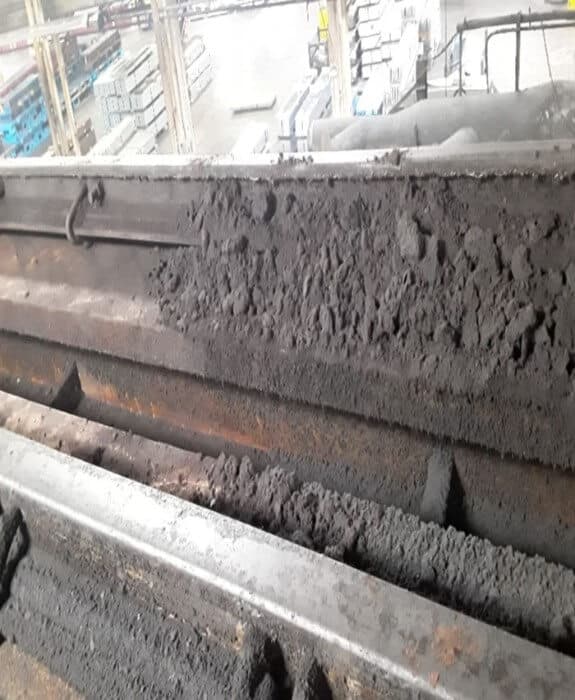
Combustible Dust Explosion Hazards
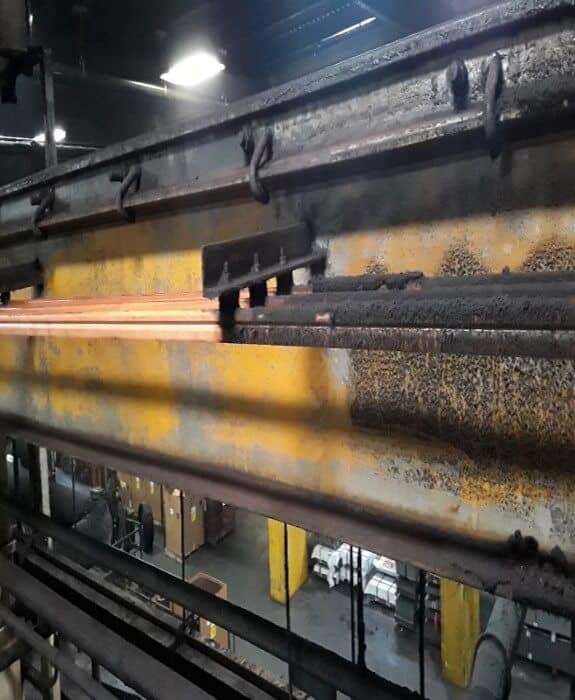
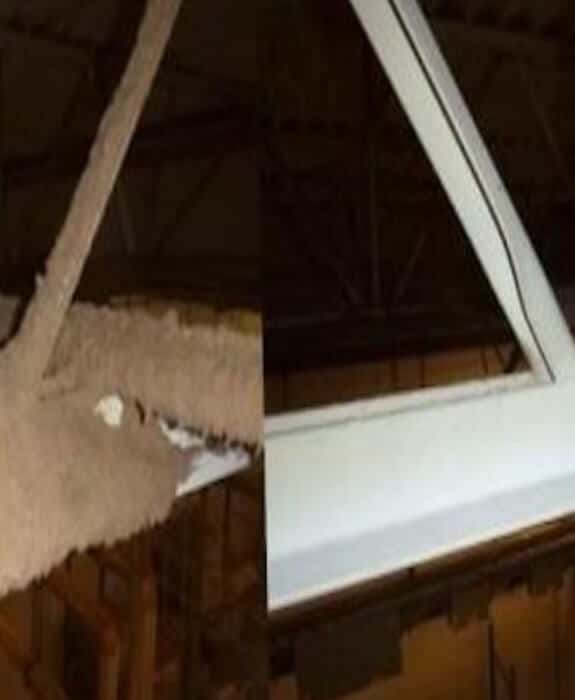
Perhaps the most serious risk associated with high surface dust buildup is the potential for a combustible dust explosion. Certain types of industrial dust such as those generated in food processing, woodworking, chemical manufacturing, and metal operations can become highly explosive under the right conditions.
When dust accumulates on elevated surfaces and is suddenly disturbed, it can form an airborne dust cloud. If that cloud encounters an ignition source, a primary explosion can occur. Even more dangerous are secondary explosions, which happen when dust from rafters and beams is shaken loose by the initial blast, creating a much larger and more destructive event.
Regulatory agencies such as Occupational Safety and Health Administration (OSHA) enforce combustible dust standards and inspect facilities according to guidelines established by the National Fire Protection Association (NFPA). Facilities found with excessive overhead dust accumulation can face substantial fines, citations, and mandated corrective actions.
Regular high surface cleaning is not just good housekeeping it is a critical component of combustible dust hazard prevention.
Areas That Must Be Included in High Surface Cleaning Programs
Effective high surface cleaning Michigan industrial facilities should address all elevated structural and mechanical components, including:
- Beams
- Ceilings
- Ceiling decks
- Ceiling trusses
- Conduit and cable trays
- Exterior ductwork
- Exhaust hood ventilation systems
- Fire suppression systems
- Lighting fixtures
- Piping
- Rafters
- Storage racks and shelving
Ignoring any of these areas allows dust to continue accumulating and increases overall facility risk. A comprehensive cleaning program ensures no elevated surface is overlooked.
Why Regular High Surface Cleaning Matter
Routine overhead cleaning eliminates dust, dirt, grease, and other contaminants before they become hazardous. It improves air quality, supports HVAC performance, protects product integrity, reduces fire risk, and keeps facilities in compliance with safety regulations.
Additionally, regular maintenance is significantly more cost-effective than emergency remediation following a contamination event or OSHA citation. Proactive cleaning extends equipment life, enhances operational reliability, and reinforces a culture of safety within the organization.
Choosing the Right Industrial Cleaning Partner
Selecting an experienced industrial cleaning provider is essential when addressing high surface dust in Michigan facilities. Elevated cleaning requires specialized equipment, trained personnel, and strict adherence to safety protocols especially when working around active production lines.
Strength H2O Industrial Solutions specializes in industrial and commercial cleaning projects throughout Michigan. Whether your facility remains operational during cleaning or schedules downtime for maintenance, our team works around your production demands to minimize disruption.
Our technicians are OSHA-trained, highly experienced in working at heights, and thoroughly educated in combustible dust safety procedures. From rafter and ceiling cleaning to full facility dust mitigation programs, we focus on protecting your workforce, safeguarding your products, and reducing regulatory risk.
Maintaining clean high surfaces isn’t optional it’s essential. By prioritizing overhead cleaning, you protect your people, your production, and your bottom line.