Sterling Heights Dry Ice Blasting Experts
Dry Ice Blasting Sterling Heights Process
The dry ice blasting process in Sterling Heights begins with solid CO₂ pellets accelerated to supersonic speeds using compressed air from an industrial air compressor. These pellets strike the contaminated surface with precision, removing buildup without abrasion or damage. The process is highly controlled, efficient, and environmentally responsible. It can be broken down into three fundamental stages: energy transfer, thermal shock, and gas expansion.
Step 1 – Energy Transfer
Dry ice pellets are propelled through a specialized blasting system at extremely high speeds. When they impact the surface, the kinetic energy instantly breaks the bond between the contaminant and the substrate. This force effectively lifts away grease, paint, soot, adhesives, and other buildup without grinding or wearing down the underlying material. Unlike abrasive blasting, the primary cleaning mechanism is energy transfer not surface erosion.
Step 2 – Micro Thermal Shock
Dry ice pellets are extremely cold. Upon contact, they create a rapid temperature differential between the contaminant and the surface beneath it. This micro thermal shock causes the contaminant to shrink and become brittle, leading to cracking and blistering. As the bond weakens, removal becomes even more efficient and controlled.
Step 3 – Gas Expansion
The final stage occurs as the dry ice pellet sublimates transforming instantly from solid to gas. This rapid expansion of non-hazardous CO₂ gas lifts the contaminant away from the surface. Because the pellet evaporates completely, no secondary waste is created. The only remaining material to remove is the dislodged contaminant itself.
Why Clean With Sterling Heights Dry Ice Blasting?
Ice Blasting Is A Perfect Non-Toxic Solution
Adhesives
Adhesives are easily removed in comparison to other cleaning methods as the lowered temperature serves to weaken the adhesive bond. Abrasive methods most often produce heat and can therefore fail with some adhesive removal.
Fire Remediation
Dry Ice blasting is highly effective in removing toxic residues, soot, and associated smells after a fire. Independent blasters often work with major insurance companies over a large geographic area to quickly clean fire and smoke damaged locations.
Food Manufacturing & Processing Equipment
The buildup of surface contaminants such as oils, grease, proteins, packaging adhesives, and other residues can significantly reduce equipment performance and compromise sanitary and regulatory standards. Over time, this accumulation prevents machinery from operating at peak efficiency and creates compliance concerns. Traditional manual cleaning methods are often labor-intensive and time-consuming, requiring partial or full equipment disassembly. They also rely heavily on water and chemical cleaners, which generate substantial wastewater and increase disposal costs while still not always delivering a fully effective clean.
Dry ice blast cleaning offers a more advanced and efficient alternative. It can be safely used on food contact surfaces, adjacent processing equipment, and support machinery such as forklifts. In addition, it is highly effective for removing built-up dirt, debris, and loose paint within the facility itself. Because the process is dry and non-abrasive, it is ideal for confined or difficult-to-access spaces including storage bins, silos, tanks, and other areas that must remain clean and moisture-free.
Cleaning with dry ice also helps eliminate mold, mildew, fungi, and odor-causing contaminants at their source. By removing unwanted organic material, it improves overall sanitation and air quality within the facility. Dry ice cleaning is environmentally responsible, non-toxic, and safe for use around workers, food-processing environments, and sensitive equipment, making it a reliable solution for maintaining cleanliness and operational integrity.
Dry Ice Blasting Cleaning Applications
Many business owners have considered using this process for cleaning purposes, but are concerned with the effect the thermal shock will have on the parent metal. Also, many studies have shown that the temperature decrease occurs on the surface only, so there is no chance of thermal stress occurring in the surface being cleaned. Common applications are:
- Automotive
- Contract Cleaning
- Food & Beverage
- Plastics & Composites
- Adhesive Removal
- General Equipment Cleaning
- Mold Cleaning
- Surface Preparation
- Mold Redemption
Our recent Our Recent Dry Ice Blasting Sterling Heights MI News
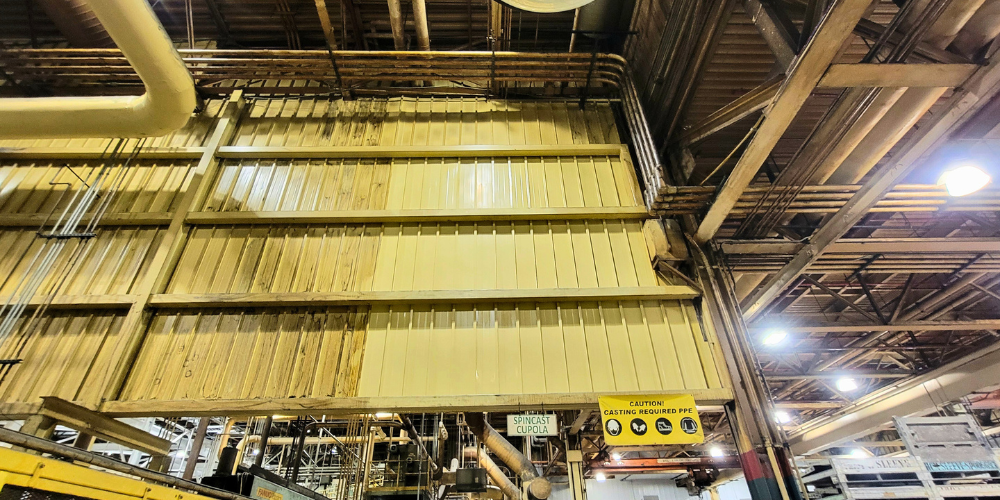
Wall Cleaning Services Detroit The Hidden Surface That Shapes First Impressions and Workplace Performance
The Importance of Shutdown Cleaning Services Detroit
Facility Deep Cleaning Detroit, The Silent Reset Every Building Eventually Needs